RAMageddon 2026: How AI's Insatiable Hunger for Memory Is Making Your Laptop More Expensive
NotionYour next laptop is about to cost a lot more — and you can thank artificial intelligence for the bill. The global DRAM memory market is in the grip of its worst supply crisis in over a decade, and the culprit isn't a natural disaster or a pandemic. It's the insatiable demand from AI data centers hoarding every memory chip they can get their hands on.
What's Actually Happening?
The world's memory chip supply is controlled by just three companies: Samsung (34% market share), SK Hynix (36%), and Micron Technology (16%). Together, they produce virtually all of the DRAM that goes into your phone, laptop, gaming console, and car.
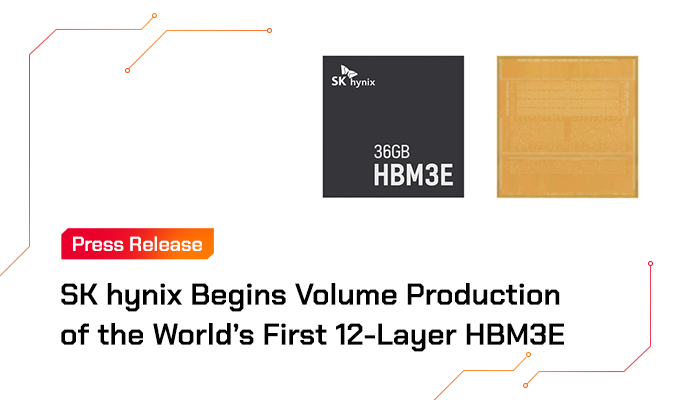
But here's the problem: these same manufacturers are racing to produce High Bandwidth Memory (HBM) — the specialized, ultra-fast memory chips that power NVIDIA's AI GPUs. And every HBM chip they make comes at a direct cost to you.
When Micron produces one bit of HBM memory for AI, it has to forgo making three bits of conventional memory. That's not a typo. The trade-off ratio is 1:3. And with Micron having completely exited the consumer DRAM market — shuttering its beloved Crucial brand — the squeeze is only getting tighter.
The Numbers Are Staggering
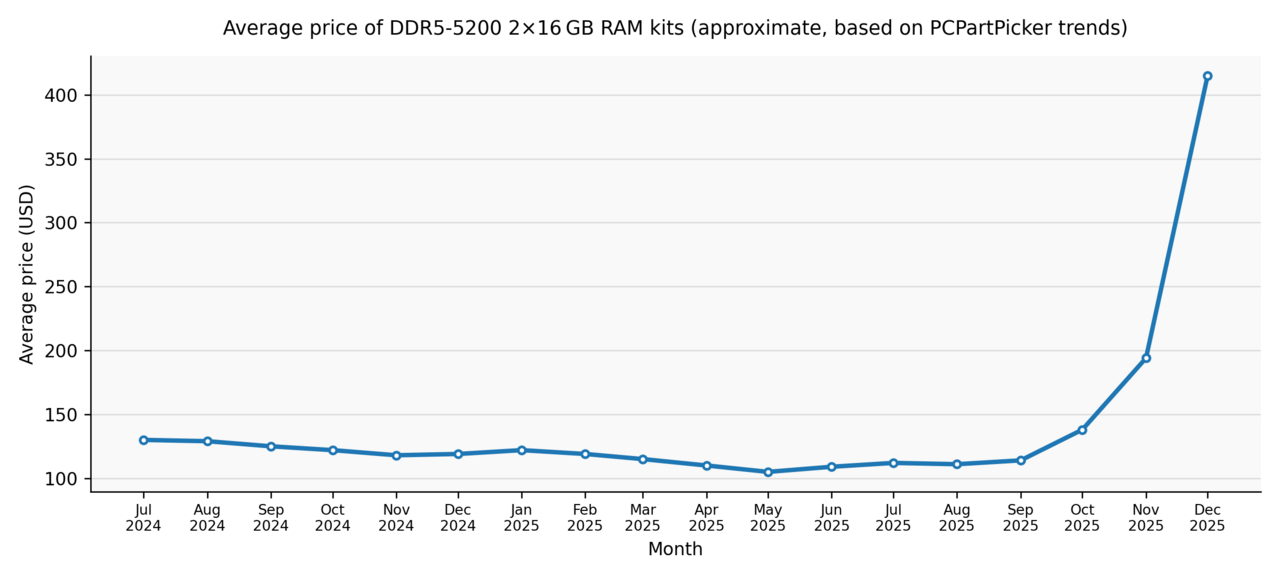
Memory prices have surged approximately 90% in Q1 2026 compared to Q4 2025. The DRAM market has deteriorated so badly that it now operates on an "hourly pricing" model — prices literally shift multiple times per day as small and medium businesses fight over scraps.
Who's Feeling the Pain?
Everyone. But some more than others.
PC Manufacturers
Every major PC maker has sounded the alarm:
Gartner projects PC shipments will drop more than 10% in 2026. IDC's pessimistic scenario puts it at an 8.9% market contraction.
Smartphone Makers
Apple CEO Tim Cook stated the company foresees memory pricing increasing significantly, with potential $2-3 billion in quarterly cost increases. IDC projects the smartphone market could contract by 2.9-5.2%, with average selling prices rising 3-8%.
Low-end manufacturers like TCL, Transsion, Realme, and Xiaomi face the worst margin pressure — they lack the cash reserves and long-term supply agreements that Apple and Samsung enjoy.
The Ironic AI PC Catch-22
Here's the cruel irony: the tech industry is pushing AI PCs as the next big thing. These machines require a minimum of 16GB RAM, with many shifting to 32GB or higher. But the very AI infrastructure driving demand for these PCs is also making the memory they need unaffordable.
Rising memory costs are directly undermining AI PC adoption at the worst possible time.
Why Can't Manufacturers Just Make More?
They're trying. But new fabrication capacity takes 3-5 years to build.
Intel CEO Lip-Bu Tan warned that relief may not arrive for at least two years. IDC's analysis suggests the shortage could persist well into 2027.
The fundamental economics are clear: HBM is far more profitable than consumer DRAM. Manufacturers have no financial incentive to shift capacity back to conventional memory when AI companies are willing to pay premium prices.
The Supply Chain Is Breaking
The crisis has pushed the memory supply chain into extreme rationing:
- Taiwanese suppliers now require 1:1 bundling — you must buy a motherboard to get DRAM
- Japanese retailers limit customers to 2-4 memory modules per purchase
- Distributors have shifted from preset orders to spot pricing to discourage hoarding
- SK Hynix and Micron are completely sold out of HBM through the rest of the year Qualcomm CEO Cristiano Amon blamed weak company forecasts directly on memory shortages. This isn't just a PC problem — it's rippling through the entire electronics supply chain.
What Should You Do?
If you're planning to buy a new laptop, phone, or gaming PC, here's the reality check:
Practical tips:
- If you see a good deal on RAM or a laptop now, don't wait
- Consider buying extra RAM modules before prices climb further
- Be prepared for spec downgrades — some laptops may ship with 8GB instead of 16GB to hit price targets
- Used/refurbished PCs from 2024-2025 may offer better value than new builds
The Bottom Line
RAMageddon 2026 is the unintended consequence of the AI gold rush. Three companies control the world's memory supply, and they've made a rational business decision to prioritize AI over consumers. The result: your next laptop could cost 15-20% more, your phone upgrade gets pricier, and there's no quick fix on the horizon. New fabs won't deliver relief until 2027 at the earliest. If you need new hardware, the best time to buy was yesterday — the second best time is today.
Sources: IDC Global Memory Shortage Analysis, Bloomberg, CBC News, Consumer Reports, Tom's Hardware, IntuitionLabs. Data as of March 2026.
Share this post
Help this article travel further
One tap opens the share sheet or pre-fills the post for the platform you want.