Vibe Coding Is Here: Why Your AI Pair Programmer Needs Performance Reviews Too
NotionYour AI Code Assistant Is an Overeager Intern, Not a Senior Engineer
We've all been there. You paste a prompt into ChatGPT or Claude, get some code back, slap it into your project, and... it works? Sort of?
Here's the uncomfortable truth nobody's talking about: Most developers are using AI assistants like glorified Stack Overflow, when they should be treating them like that overeager junior dev who needs constant feedback and code reviews.
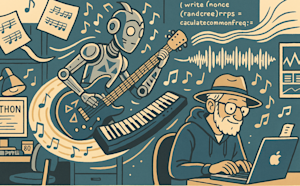
What Even Is "Vibe Coding"?
The term sounds like something a tech bro invented at a WeWork, but it's actually gaining serious traction. Vibe coding means working with AI as a collaborative partner—having conversations, iterating together, and treating the AI like an actual teammate.
But here's where it gets interesting: Most vibe coding discussions treat AI like background vocals. Nice to have, but not essential.
One developer decided to flip the script entirely. They treated Google AI Studio like a full team member on a production project. Not a prototype. Not an experiment. Real, ship-to-customers code.
The Performance Review Your AI Actually Needs
Think about how you'd onboard a junior developer:
Bad Onboarding Good Onboarding
↓ ↓
"Make this work" "Here's our architecture"
↓ ↓
Messy code → "These are our patterns"
↓ ↓
Tech debt "Here's why we do X"
↓
Clean, maintainable code
The breakthrough? AI assistants need context, constraints, and constructive criticism. Just like humans.
When you give an AI assistant clear architectural guidelines, explain your testing philosophy, and actually review its output like you would a teammate's pull request, something magical happens. The code gets better. Way better.
The Three Rules for Production-Grade AI Collaboration
1. Determinism Over Magic
That "wow it just works" feeling? That's usually a red flag. Production systems need predictability. If you can't explain why the AI suggested something, you're building on quicksand.
2. Test Everything (Yes, Really Everything)
AI-generated code isn't magically bug-free. Would you merge a junior dev's first PR without tests? Then why would you do it with Claude?
3. Document the Why, Not Just the What
AI can write code. But it doesn't know why your team chose PostgreSQL over MongoDB, or why you avoid certain patterns. You need to teach it your team's accumulated wisdom.
Meanwhile, In Other Tech News...
While we're reimagining how we code, Xiaomi just dropped their 17 Ultra smartphone at Mobile World Congress, complete with an AirTag clone and an ultra-slim powerbank. Because apparently, everyone's playing catch-up to Apple's ecosystem.
And if you're still reading this, Bose headphones are on sale this weekend. Perfect for drowning out the existential dread of AI potentially replacing us all. (I kid, I kid... mostly.)

The Bigger Picture: We're Doing This Wrong
Here's my hot take: We're in the awkward teenage years of AI-assisted development. We're trying to use tomorrow's tools with yesterday's workflows.
The developers who'll dominate the next decade won't be the ones who can prompt engineer the best one-shot solution. They'll be the ones who know how to build systems where humans and AI collaborate on production code.
Think of it like this: The best CTOs don't just hire smart people. They build environments where smart people can do their best work. Same principle applies to AI teammates.
So What's Next?
The vibe coding experiment revealed something crucial: AI assistants have a skill ceiling that's determined by how well you manage them. Give them vague prompts and treat them like a magic button? You'll get magic button quality code.
Treat them like a teammate who needs onboarding, feedback, and clear guidelines? You might just ship production-grade features faster than ever before.
The question isn't whether AI will replace developers. It's whether you're ready to become a manager of human-AI hybrid teams.
Are you still treating your AI assistant like a search engine, or have you started having actual code reviews with it?
Share this post
Help this article travel further
One tap opens the share sheet or pre-fills the post for the platform you want.