Strait of Hormuz: THE WORLD'S MOST DANGEROUS OIL CHOKEPOINT
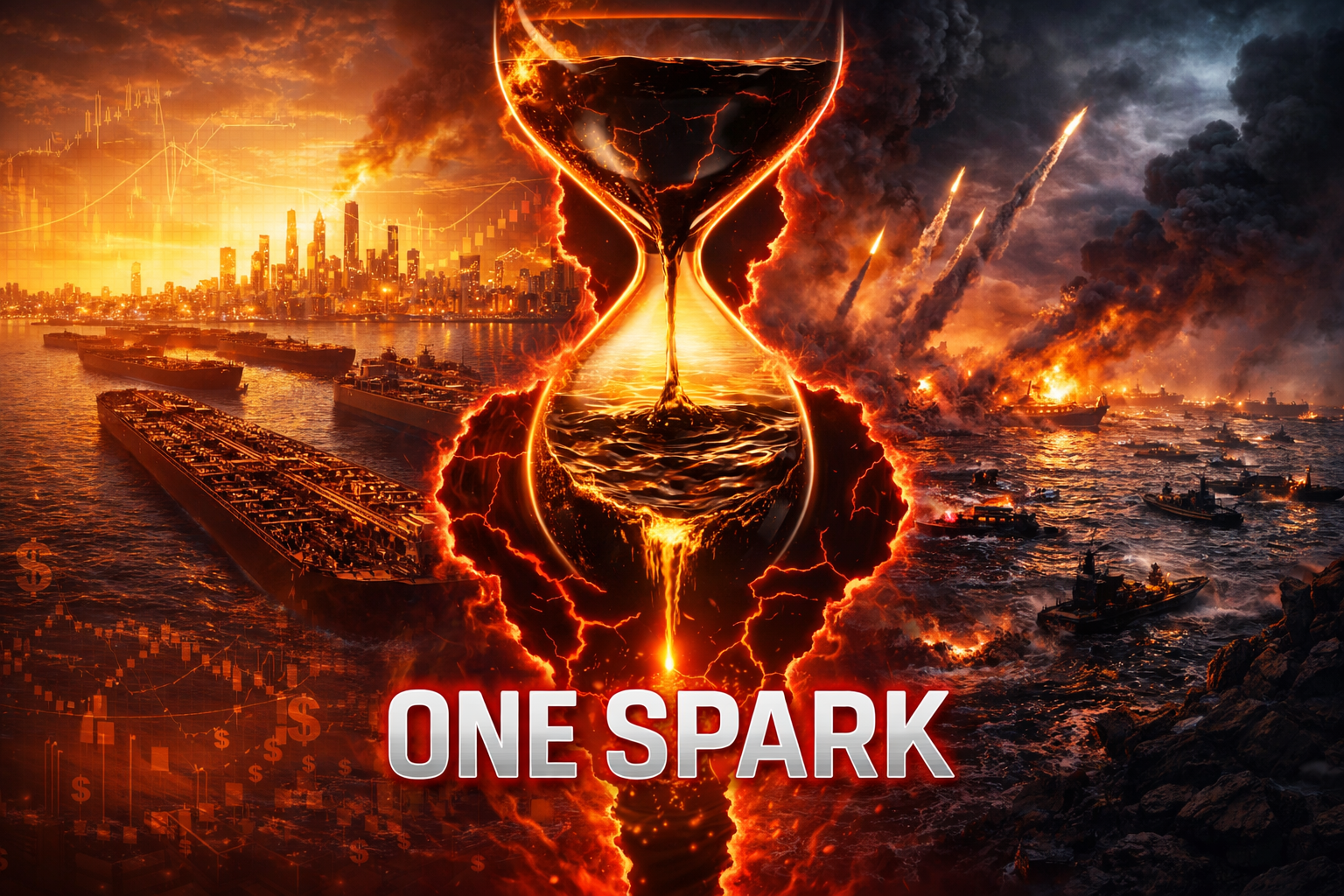
The Strait of Hormuz is a narrow waterway between Iran and Oman — just 21 miles wide at its narrowest point. Through this sliver of ocean flows approximately 20% of the world's oil and gas supply. In early 2026, it became the most dangerous place on Earth.
The Chokepoint That Controls the World
Following military strikes against its territory by the United States and Israel, Iran enacted a de facto blockade of the Strait of Hormuz. Not a full closure — something arguably worse: a lethal toll booth. Tankers must now seek Tehran's permission or risk destruction.
"Iran turned geography into a global economic weapon. The Strait of Hormuz isn't just a waterway — it's a loaded gun pointed at the global economy."
Oil Past $110 — The Fear Tax
The market impact was immediate and devastating. Brent crude surged past $110 per barrel, with analysts at Goldman Sachs warning $150 was realistic. But the real story wasn't just supply disruption — it was the war-risk premium, a "fear tax" that inflated every barrel of oil moving through the region.
Maritime insurance premiums skyrocketed. Major shipping companies began rerouting vessels around the Cape of Good Hope, adding 10-15 days to delivery times and massive fuel costs.

The Tanker Standoff
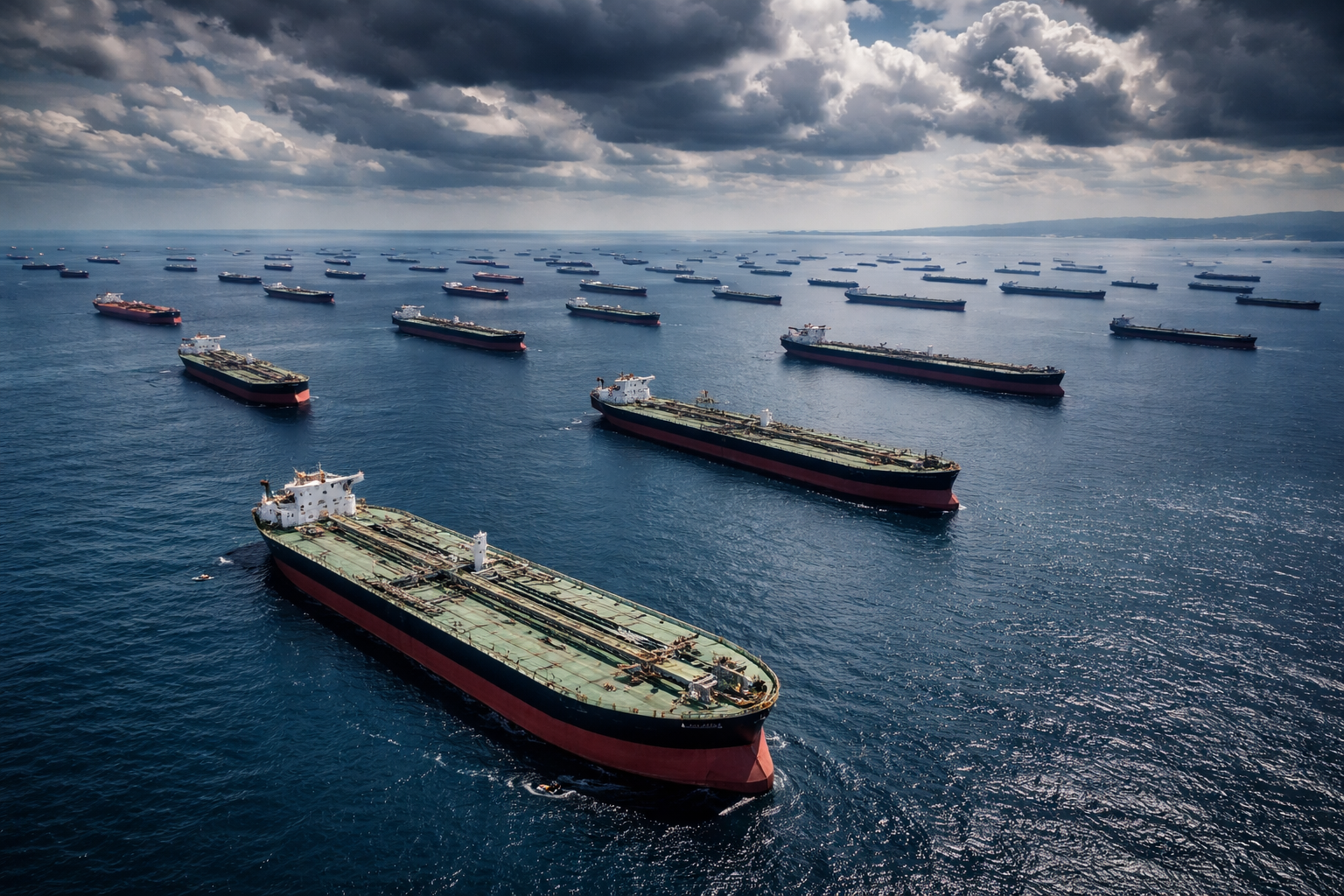
Dozens of supertankers now sit idle in the Persian Gulf, unable to pass through the Strait without risking Iranian mines or military interdiction. The backlog grew daily, creating a floating parking lot of hundreds of billions of dollars in crude.
The U.S. Pentagon began weighing naval and airborne options to counter Iranian mines, but the narrow geography of Hormuz makes conventional minesweeping extraordinarily dangerous.
The Russian Oil Paradox
In a stunning geopolitical irony, the U.S. Treasury issued emergency temporary licenses allowing the sale of previously stranded Russian oil. The logic: stabilize global markets and help major importers like India and Japan who were cut off from Gulf supplies.
The unintended consequence? Record-high weekly revenues for the Kremlin's war chest. America's Middle East war was directly funding Russia's European war.
"The U.S. sanctioned Russian oil to punish Moscow, then unsanctioned it to survive its own Middle East crisis. The Kremlin cashed the check both times."
The Infrastructure at Stake
The oil infrastructure surrounding the Strait of Hormuz represents trillions of dollars in investment. Saudi Arabia's Ras Tanura, the world's largest oil export terminal, sits within range. Refineries across the Gulf burn around the clock, their flare stacks visible from space.
Who Gets Hurt Most?
Asian economies face the sharpest pain. Japan imports 90% of its oil through Hormuz. South Korea, India, and China are all critically exposed. The IEA coordinated the largest-ever oil stock release among member countries, but strategic reserves buy time — not solutions.
The crisis also exposed the fragility of global LNG markets. Qatar, the world's top LNG exporter, ships virtually all its gas through the Strait. European countries that pivoted to Qatari LNG after cutting Russian gas now face a second energy shock.
What Comes Next?
Experts warn that the Hormuz crisis isn't just a military problem — it's a structural vulnerability baked into the architecture of global energy. As long as 20% of the world's oil flows through a 21-mile waterway controlled by a hostile power, the world economy has a single point of failure.
The real question isn't whether the Strait will reopen. It's whether the world will finally build the infrastructure — pipelines, renewable capacity, strategic reserves — to ensure that no single chokepoint can ever hold the global economy hostage again.
Share this post
Help this article travel further
One tap opens the share sheet or pre-fills the post for the platform you want.